
5 common scams when buying a Korean car remotely
Fake listings, odometer tampering, fake escrow, and pressure to pay fast — the warning signs and how to protect yourself.
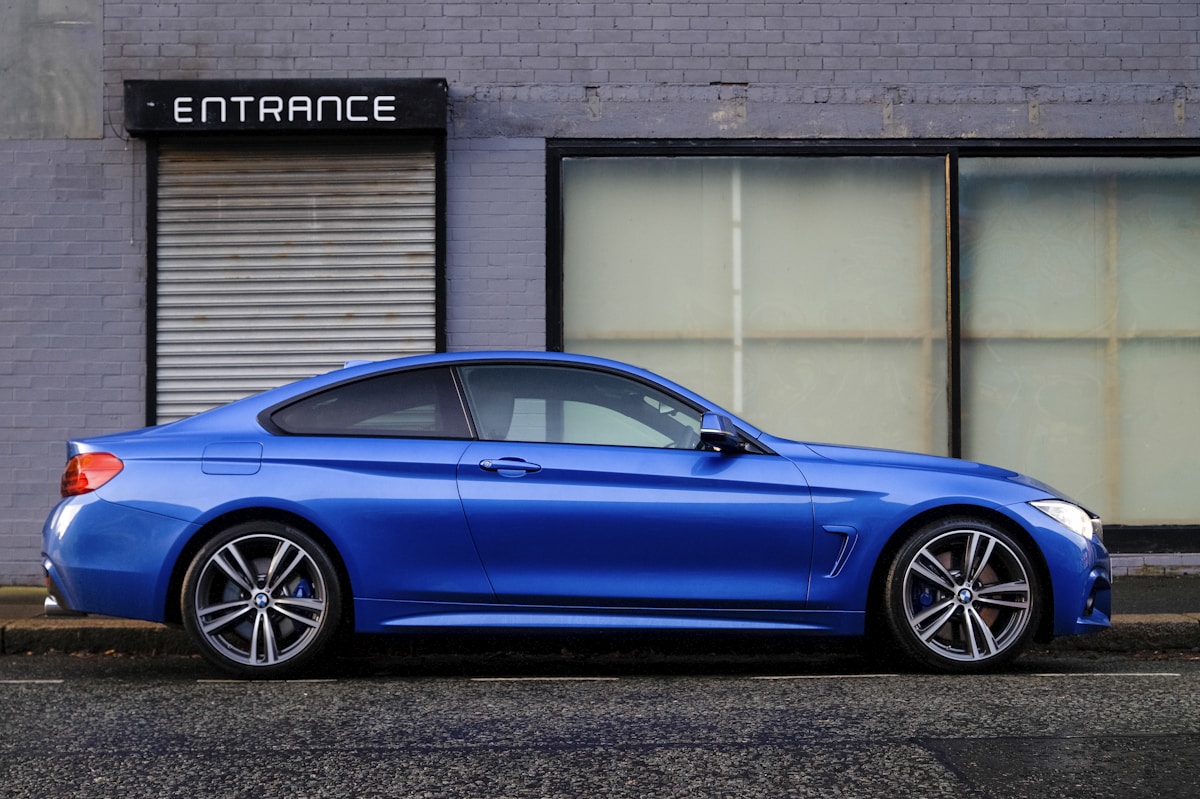
Korea's used-car market is large and relatively transparent, but its size attracts people who target remote buyers who can't inspect a car in person. Here are 5 recurring scam patterns and how to avoid them.
1) Fake listings at prices that are too good to be true
A car priced far below comparable listings is often bait — either the car doesn't exist, or it's used to get you talking before switching you to a different, pricier car. Always compare the price against similar cars of the same year and mileage.
2) Odometer tampering
Some exporters alter the odometer reading to appear lower than the actual mileage. The Encar report and Korea's periodic vehicle inspection history (검사) help reveal inconsistencies in readings over time.
3) Fake escrow or reservation services
Some scams use a fake "escrow" website that makes you believe your money is protected while it's actually being wired to a personal account. The only real protection is an international bank transfer (SWIFT) to a formally registered company account after a written invoice — not any third-party platform you don't recognize.
4) Pressure to pay quickly
"Another buyer is waiting, pay now or lose it" is a common scam line. A legitimate exporter gives you enough time to review the report and paperwork before any financial commitment.
5) Forged inspection or registration documents
Verify the VIN on the Encar report directly through the official site, not from a screenshot sent to you — screenshots are easy to edit.
The golden rule: no formal invoice, no transfer. Review the inspection report, verify the seller's identity, and contact us if you want a second opinion on any car or offer you're unsure about.
Want a quote on a Korean car shipped to your port?
Browse catalog